Loading vehicle
The vehicle
Reef Monitoring ROV
Scroll to inspect each system: frame, capsule, thrusters, stack, sensors, and tether.
01 / 06
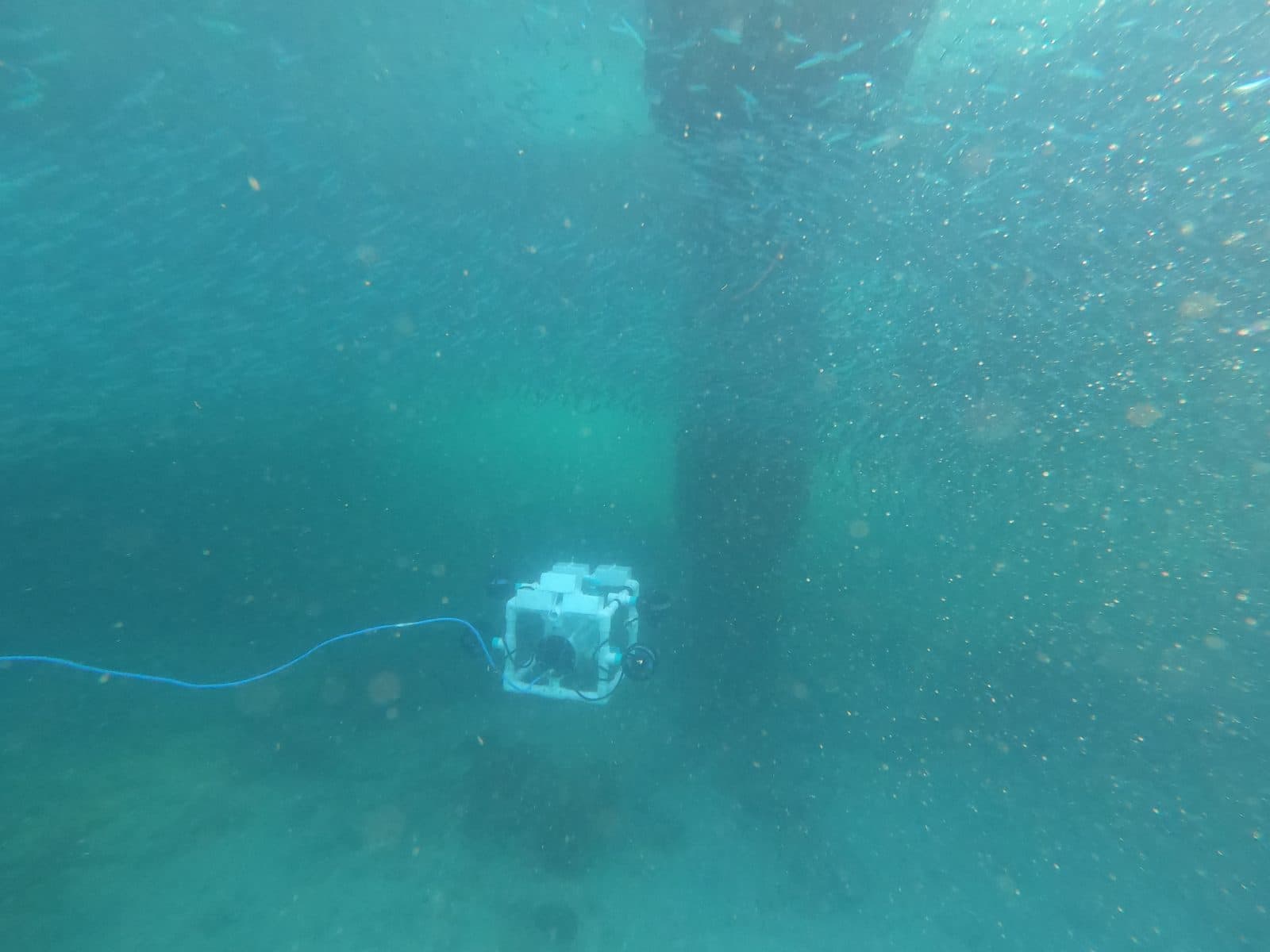
Open PVC Frame
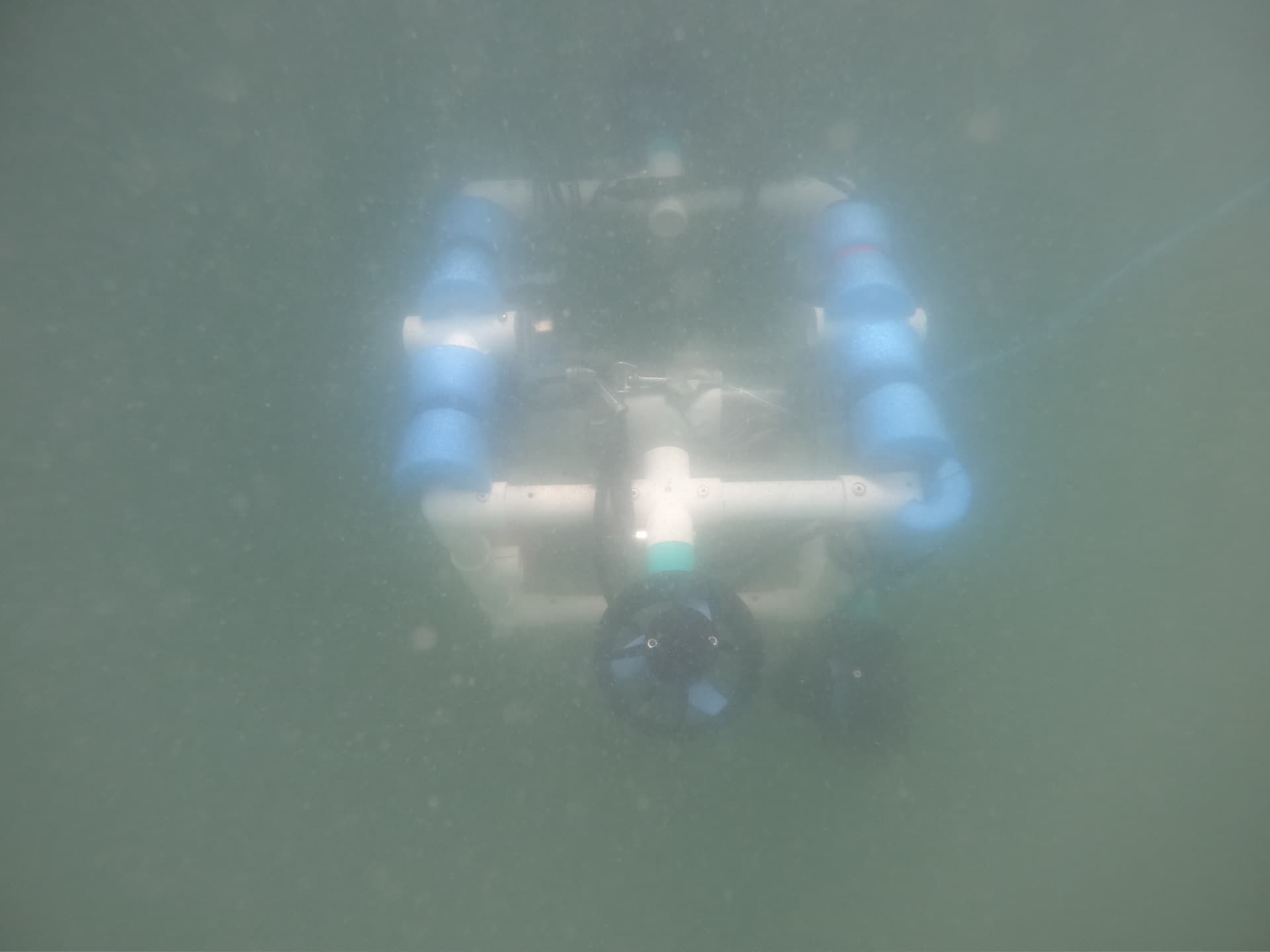
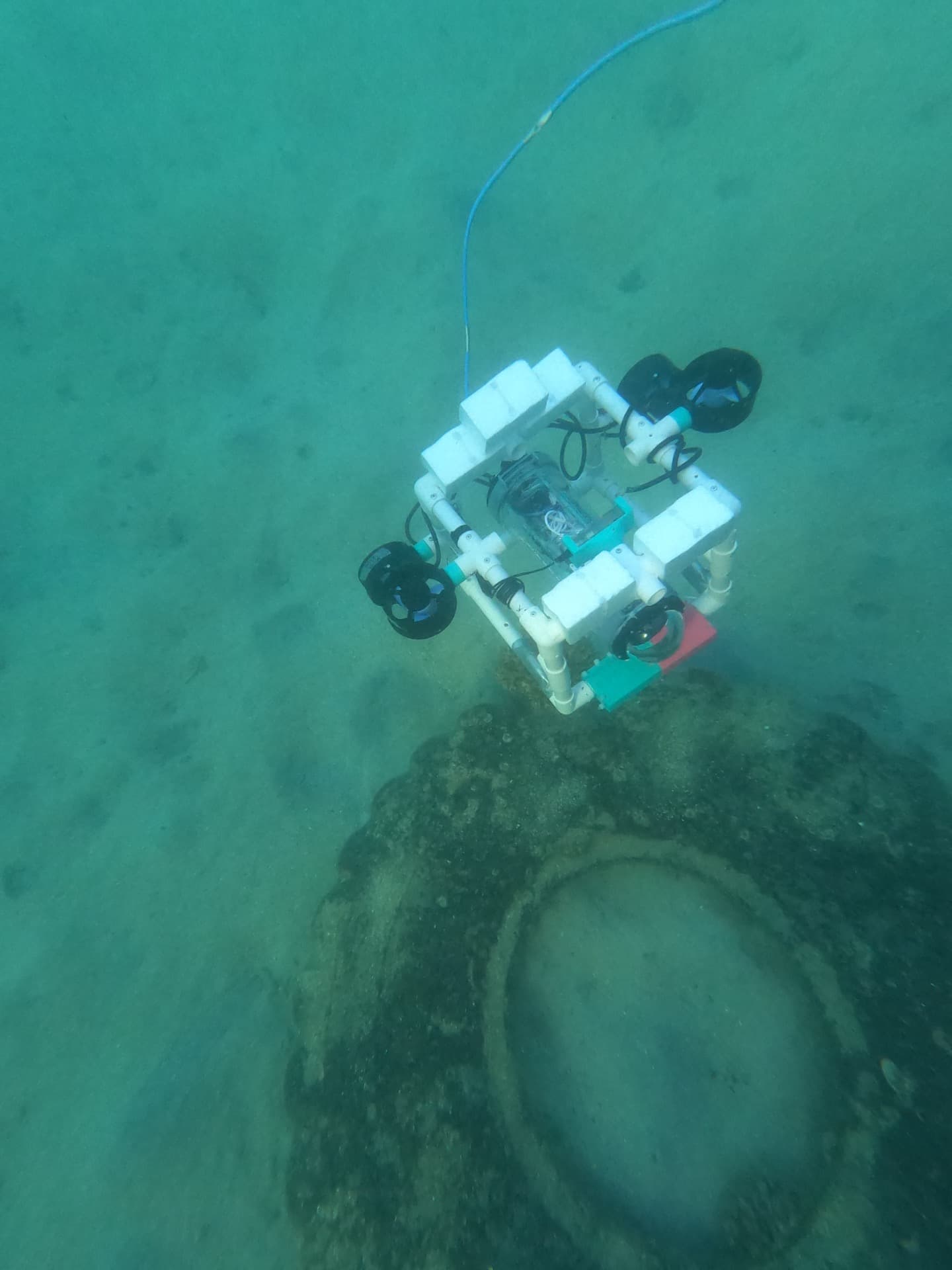
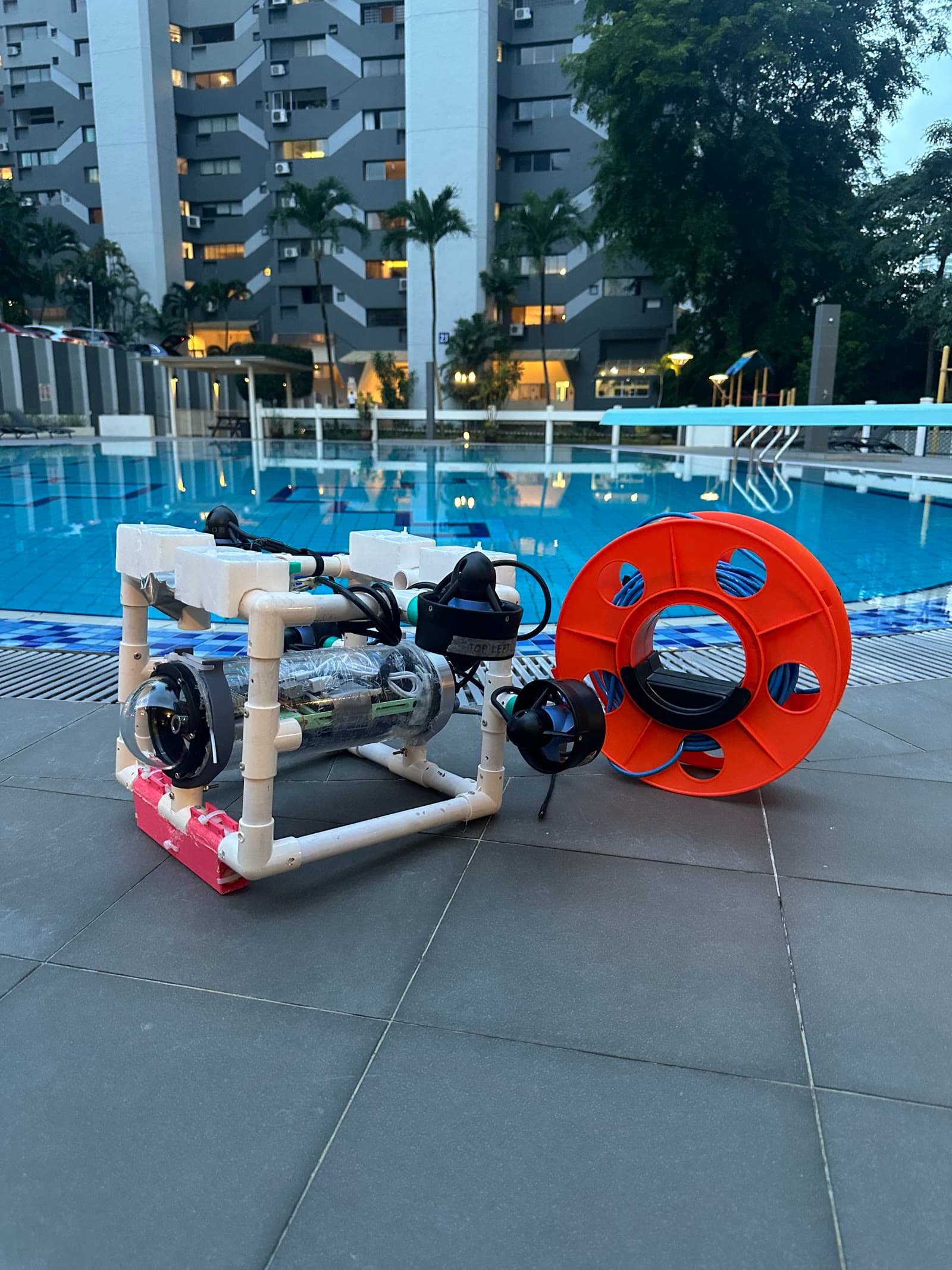
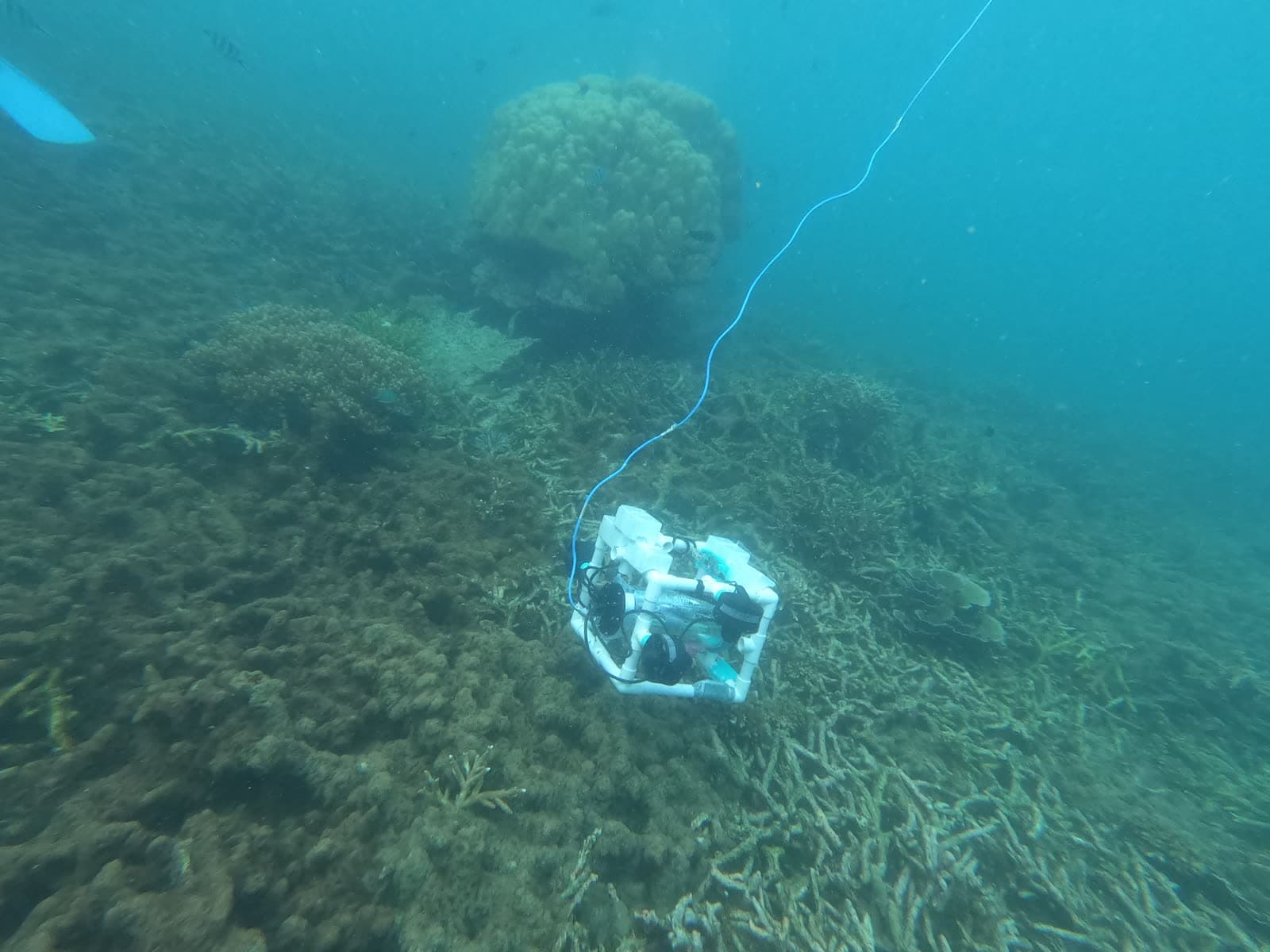
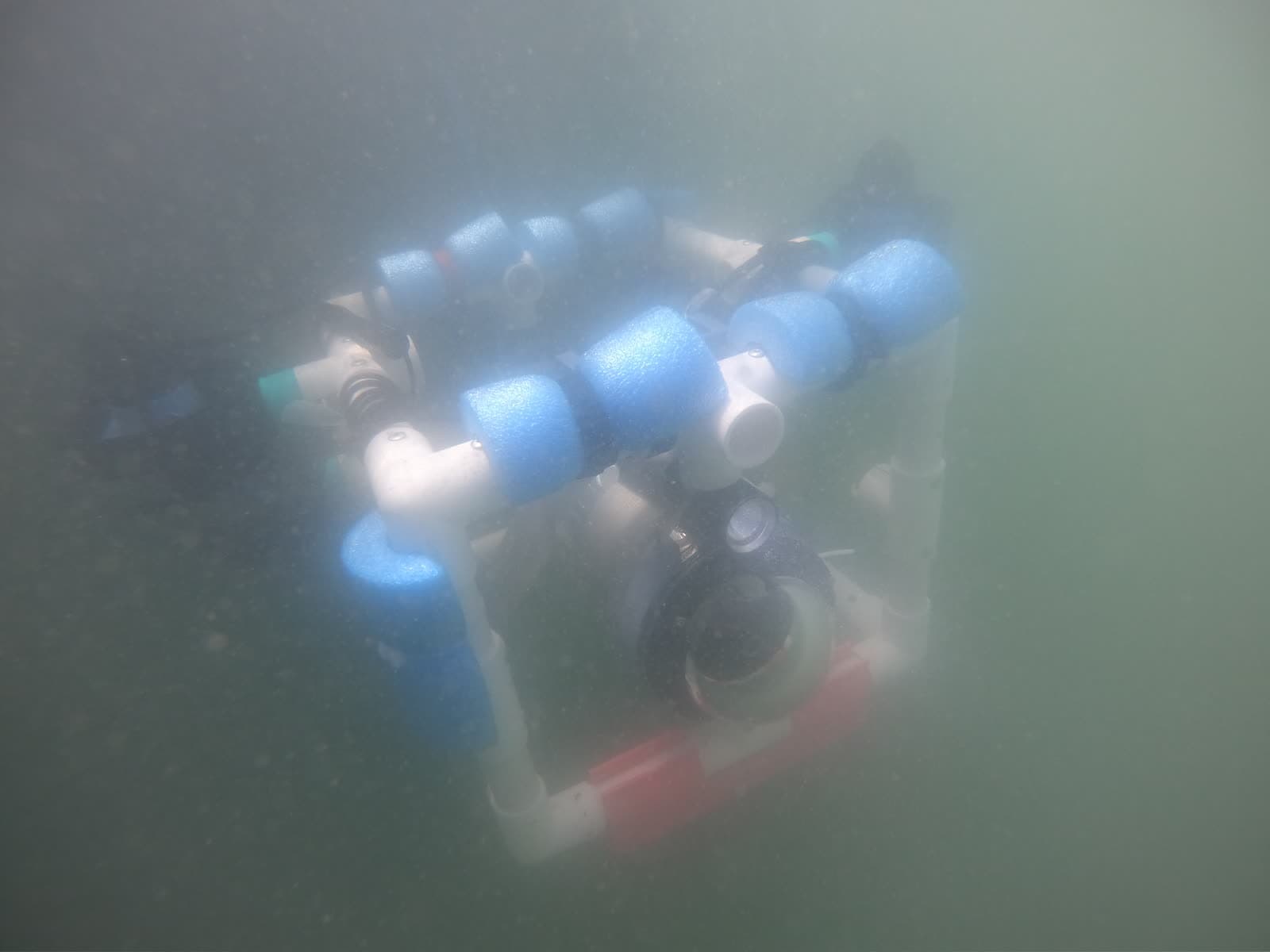
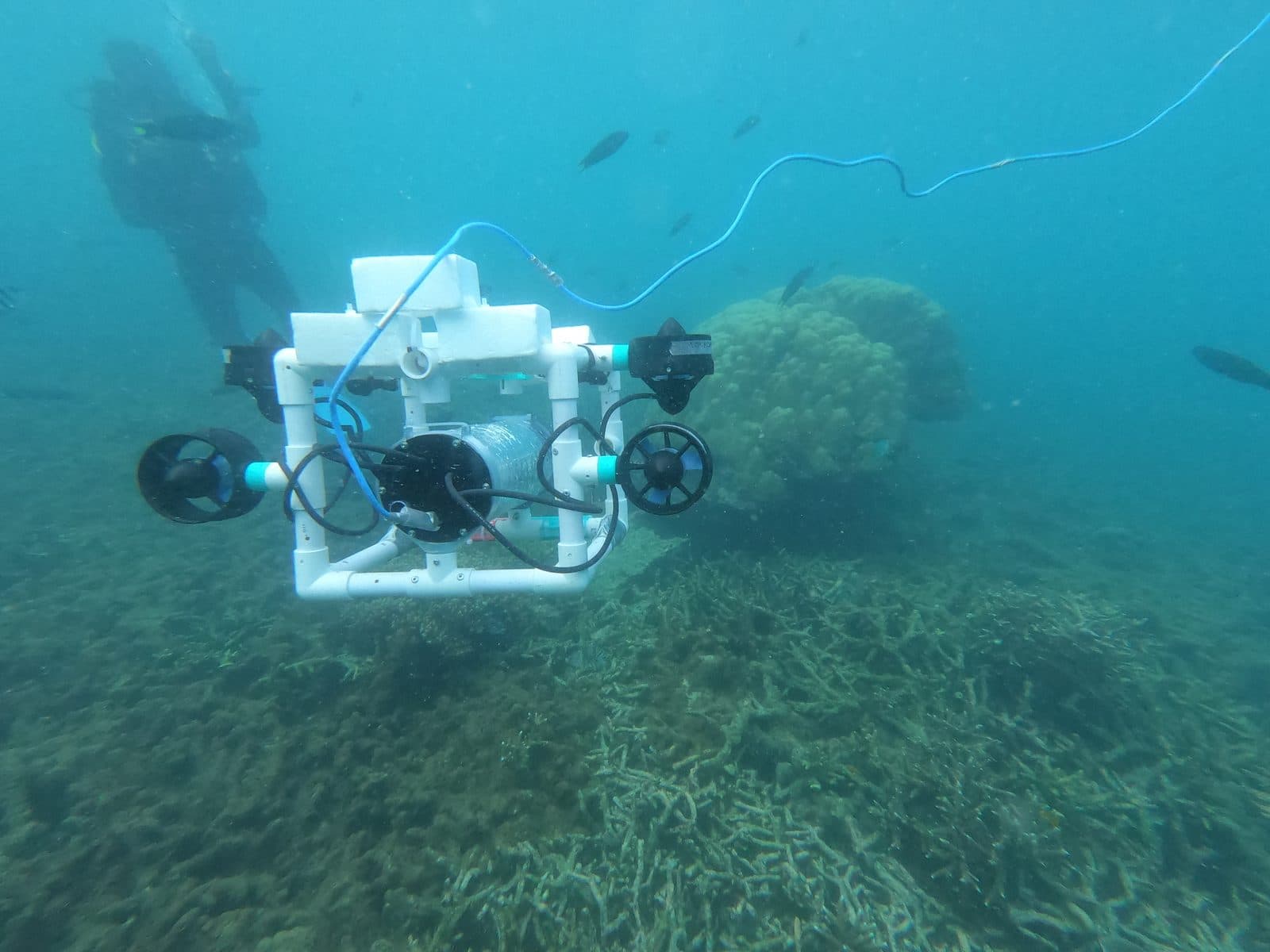
An open-frame cage of ~35 × 30 × 25 cm at ~5.9 kg in air. Water flows through the skeleton to cut drag, components stay accessible, and the structure shields the acrylic capsule from reef impacts.
02 / 06
Acrylic Dry Capsule
Flight computer, companion computer, and the 4S LiPo live inside a transparent acrylic cylinder closed by machined aluminium end caps with dual O-ring grooves. The redundant seals are rated toward a 30 m design target.
03 / 06
Four T200 Thrusters
Blue Robotics T200 BLDC thrusters in Simple ROV 4 geometry: two horizontal for forward thrust and yaw, and two vertical for heave and roll correction. The flooded-motor design provides power density underwater.
04 / 06
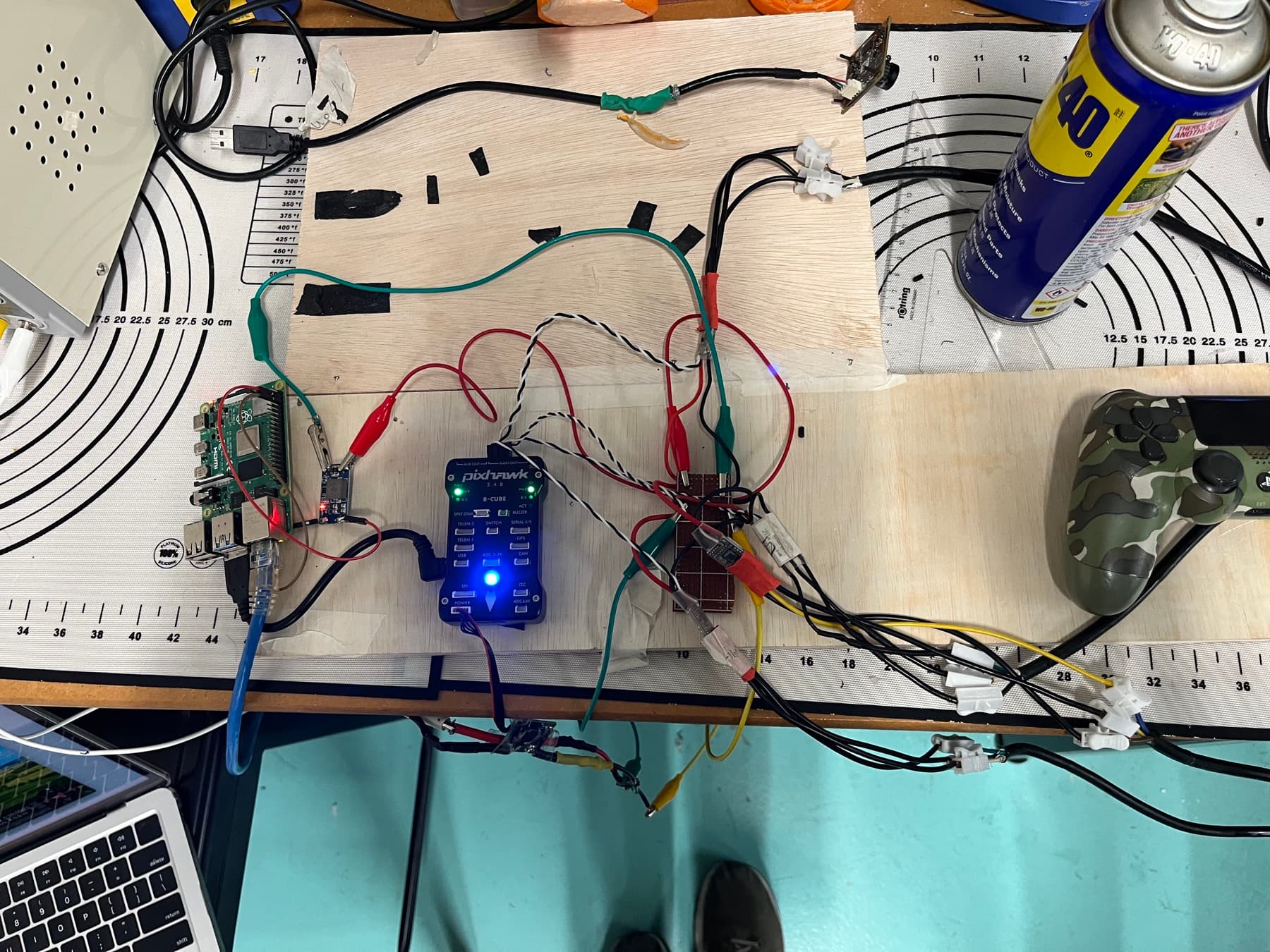
Flight & Companion Stack
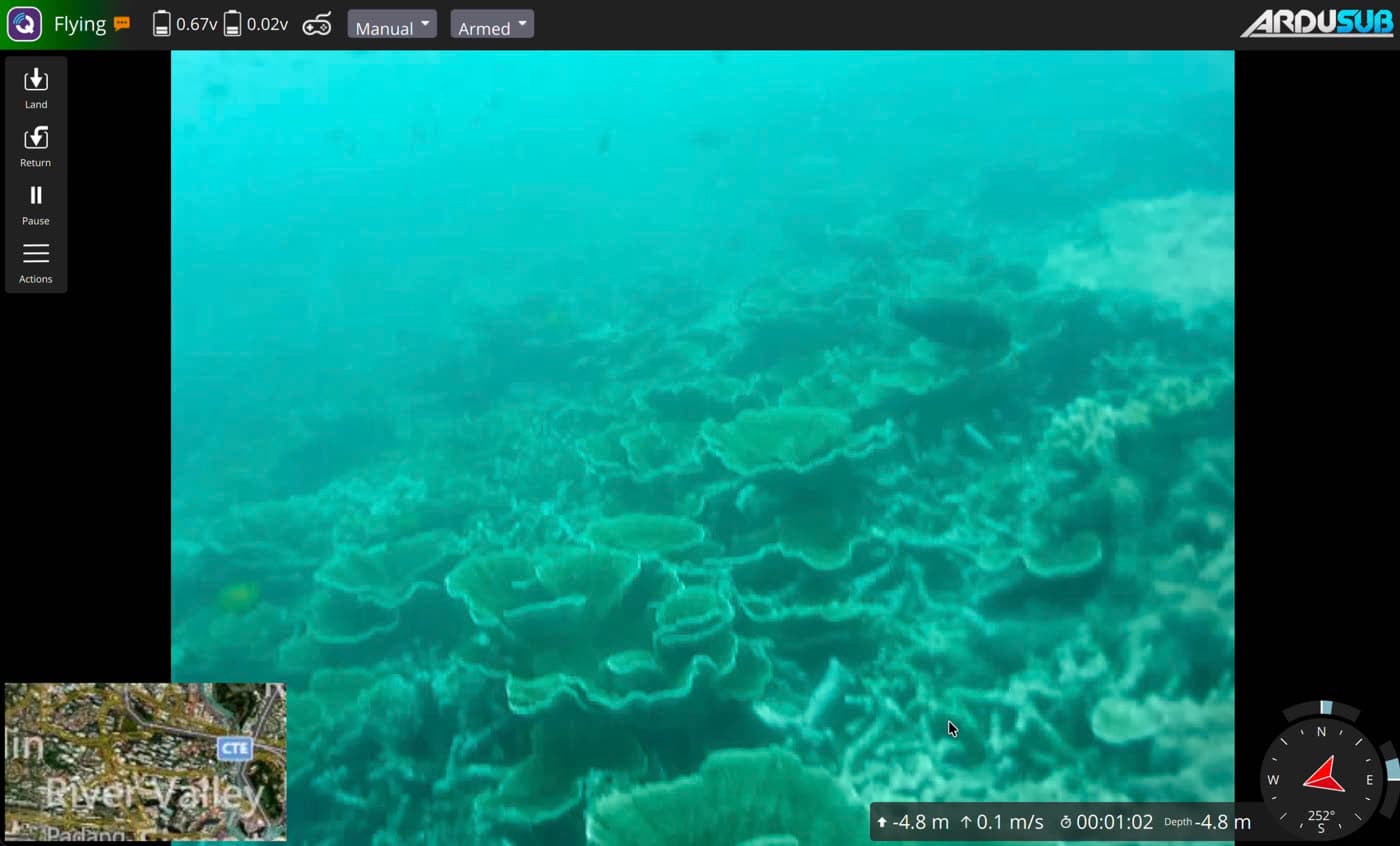
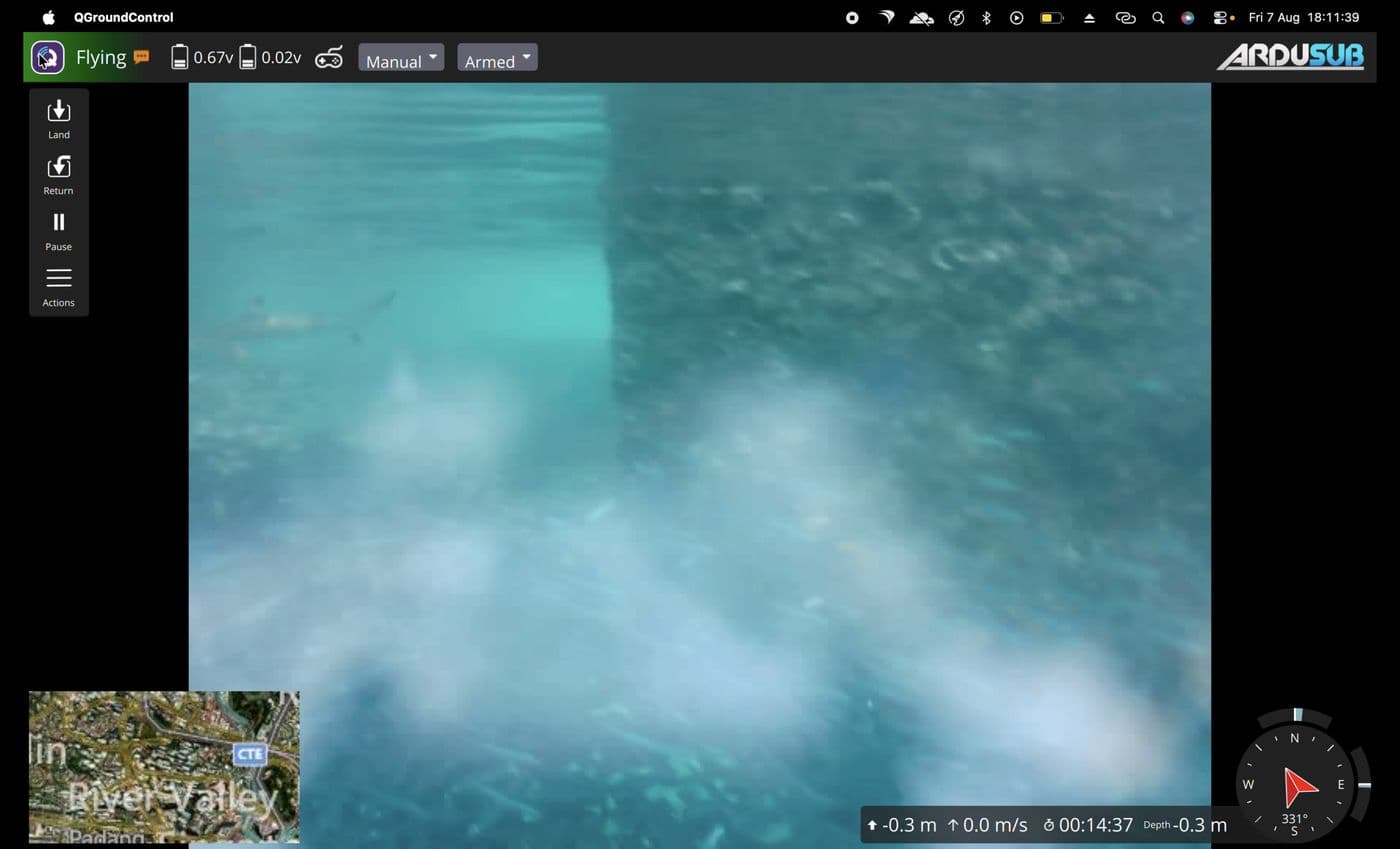
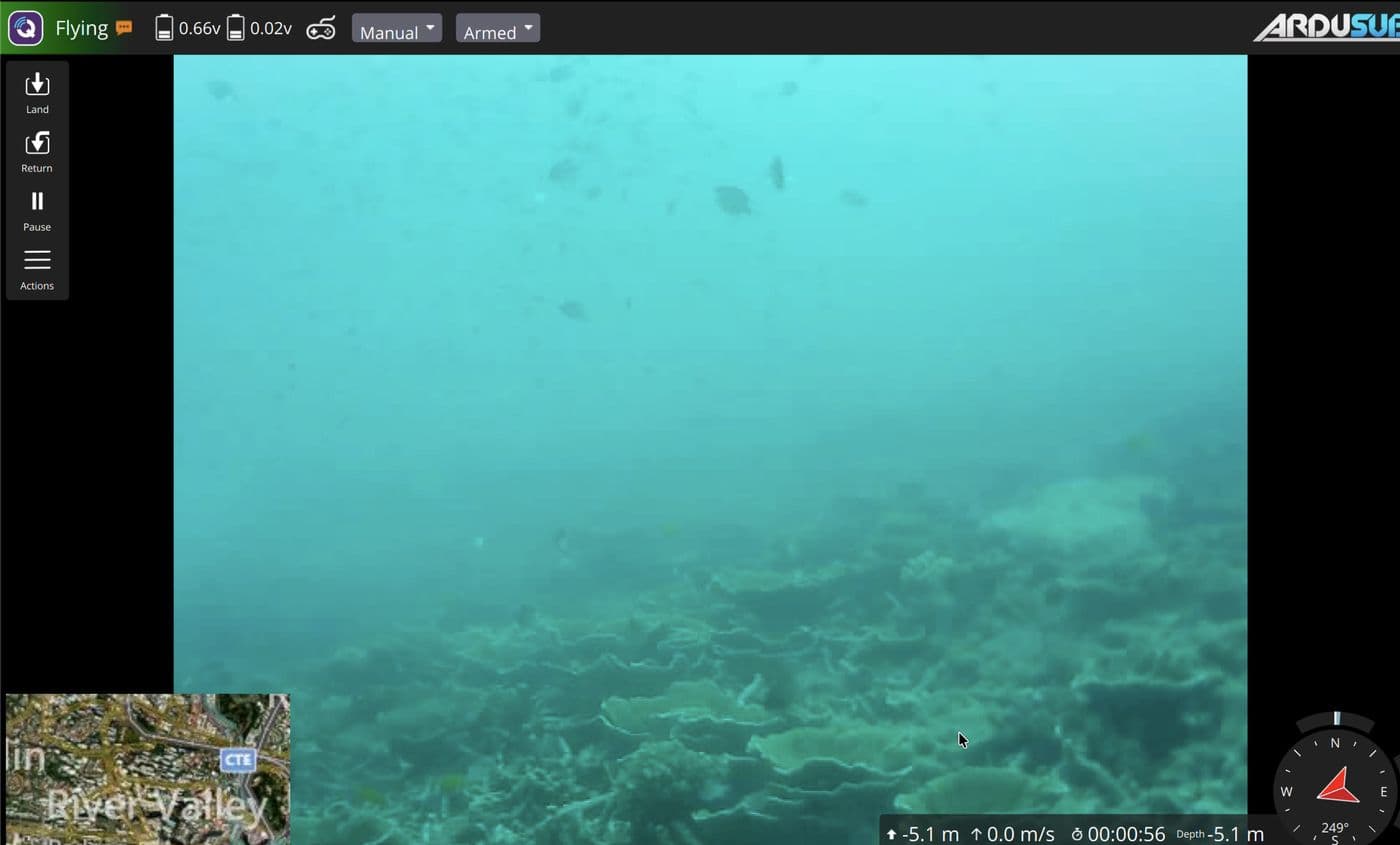
Pixhawk 2.4.8 running ArduSub, a Raspberry Pi on BlueOS, and topside QGroundControl form the pilot link that turns shore-side inputs into reef-scale video and telemetry.
05 / 06
Depth, Temperature & pH
A Blue Robotics Bar30 logs depth, pressure, and water temperature over I²C so abiotic conditions travel with every video transect.
06 / 06
30 m Cat6 Tether
A shielded Ethernet tether carries pilot commands down and telemetry plus 1080p video up to a laptop on the surface. It provides low latency from shore or a boat, without relying on radio through seawater.
Field record
Proven in the Water
11.04 m
Max depth
10,000+
Samples logged
~$1,500
Build cost
~5.9 kg
Mass in air
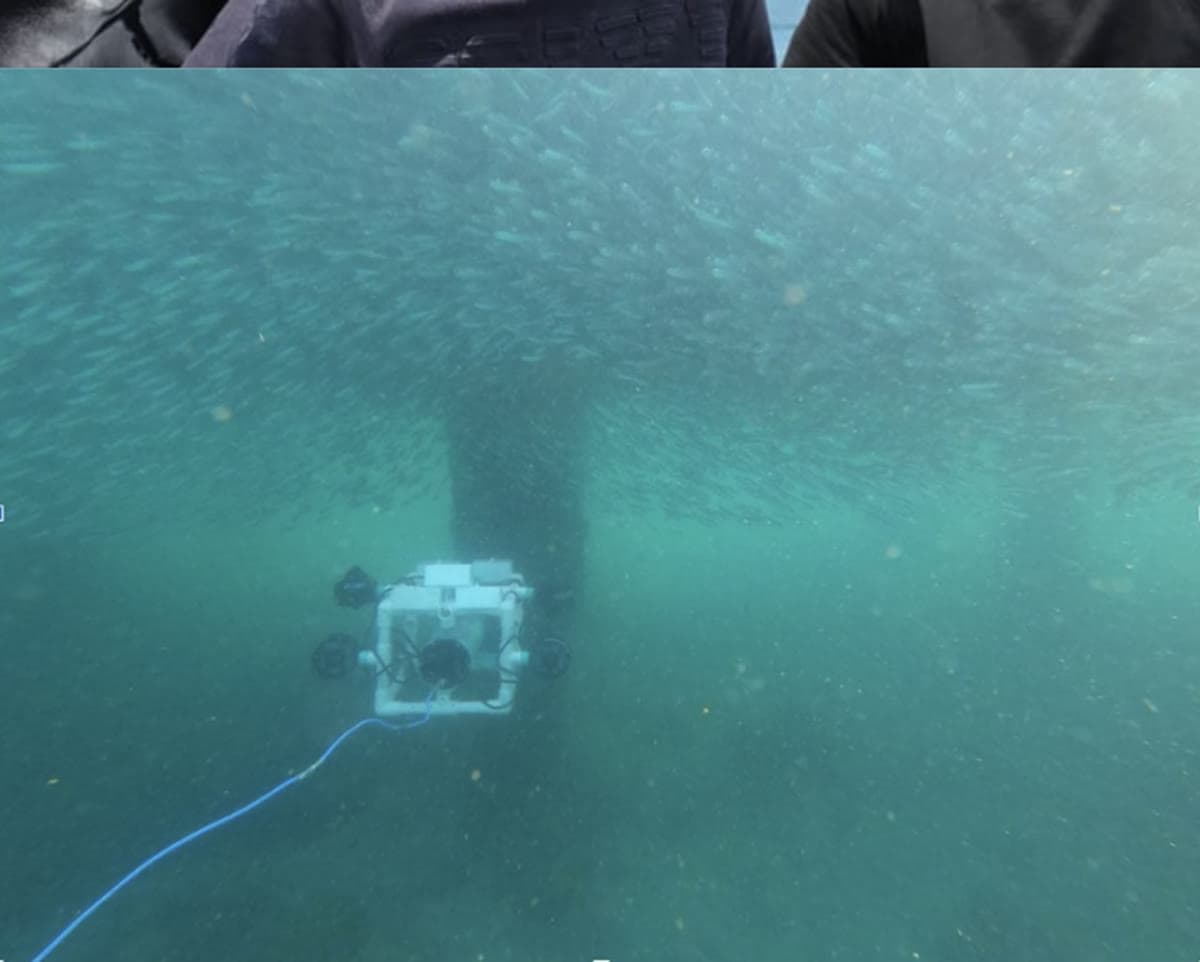
Hantu · Tioman
Sites
NP/RP 25-078
Permit
Underway
Field Video
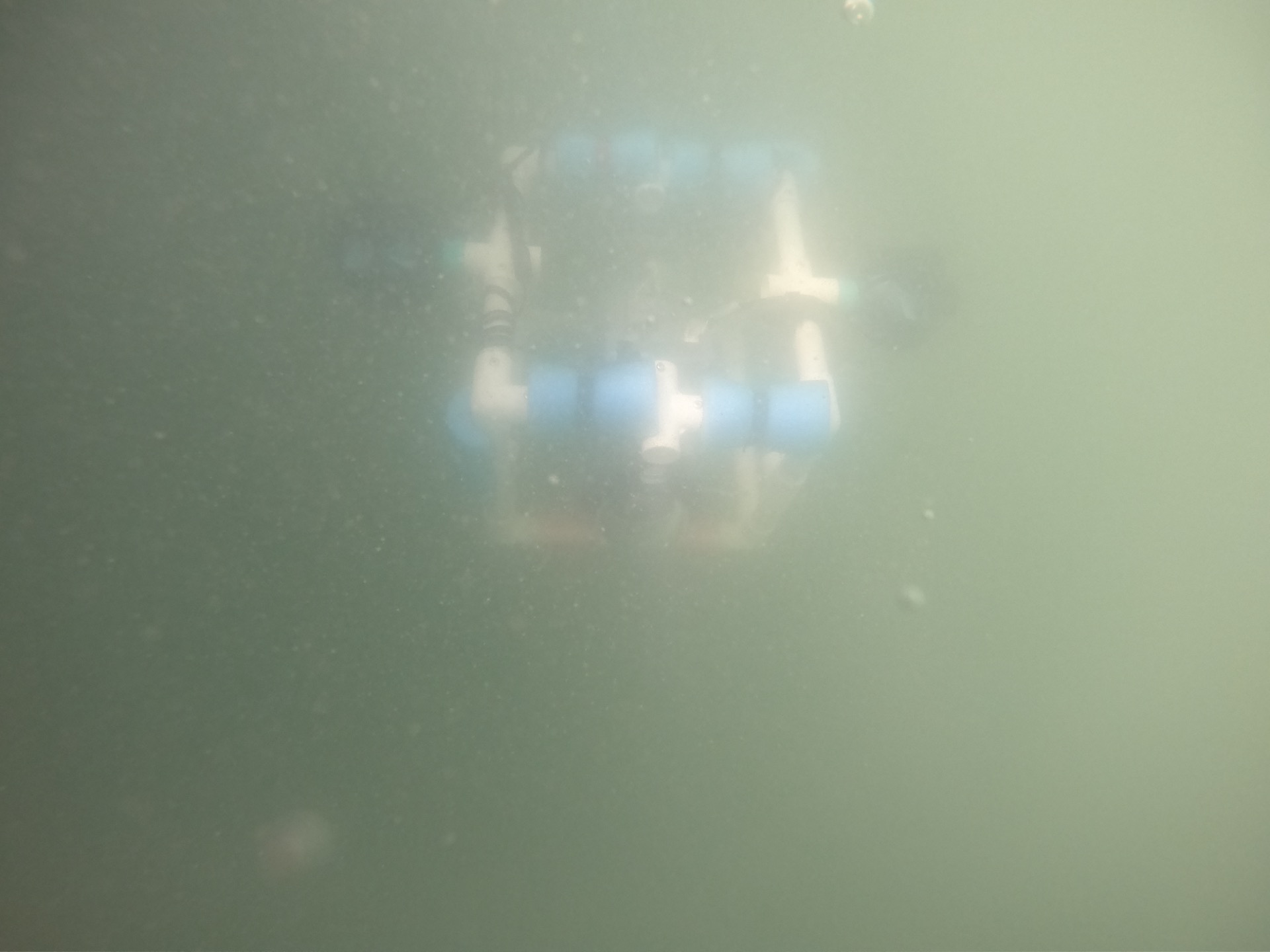
Pulau Hantu Dive
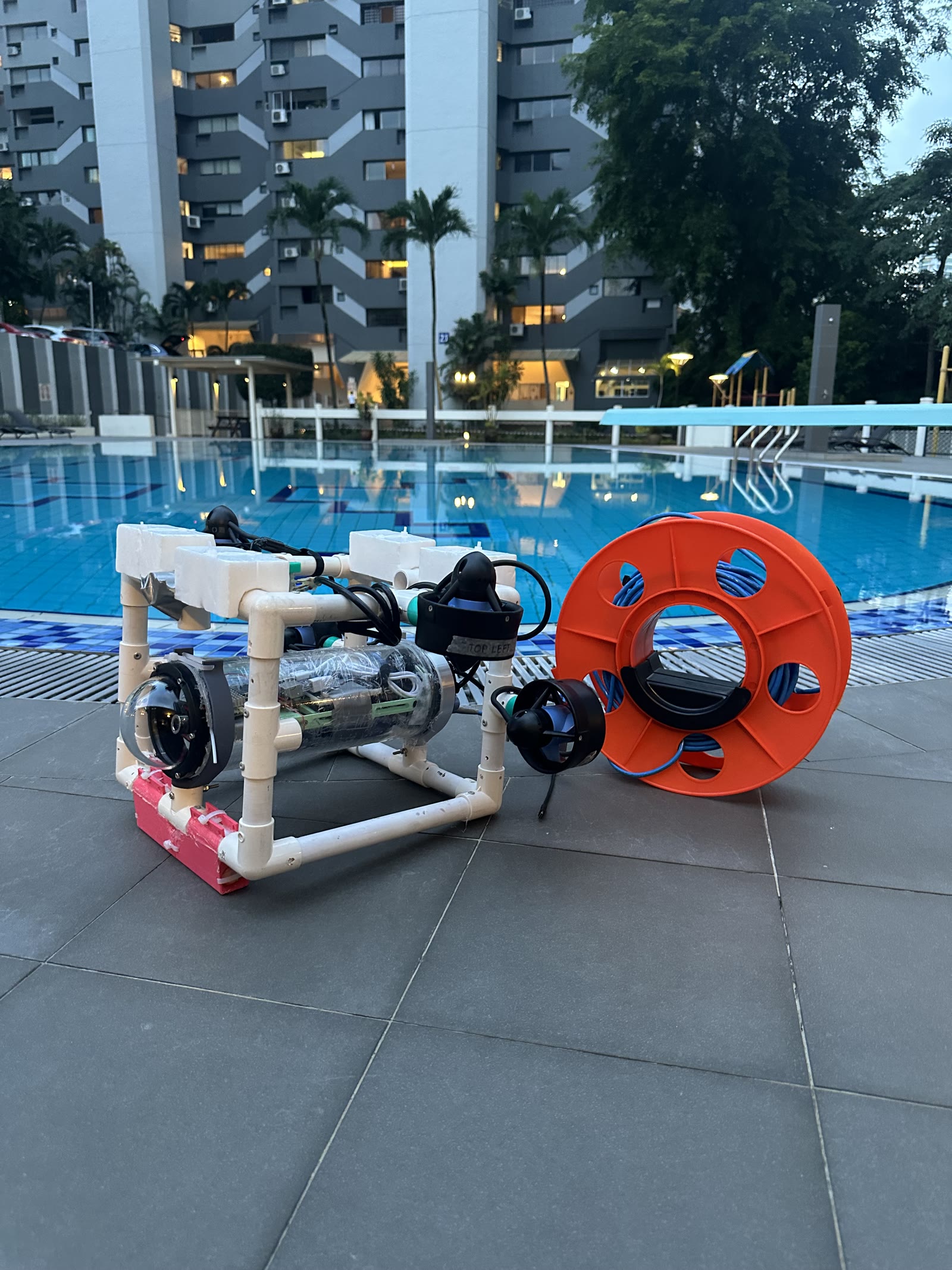
Pool trials
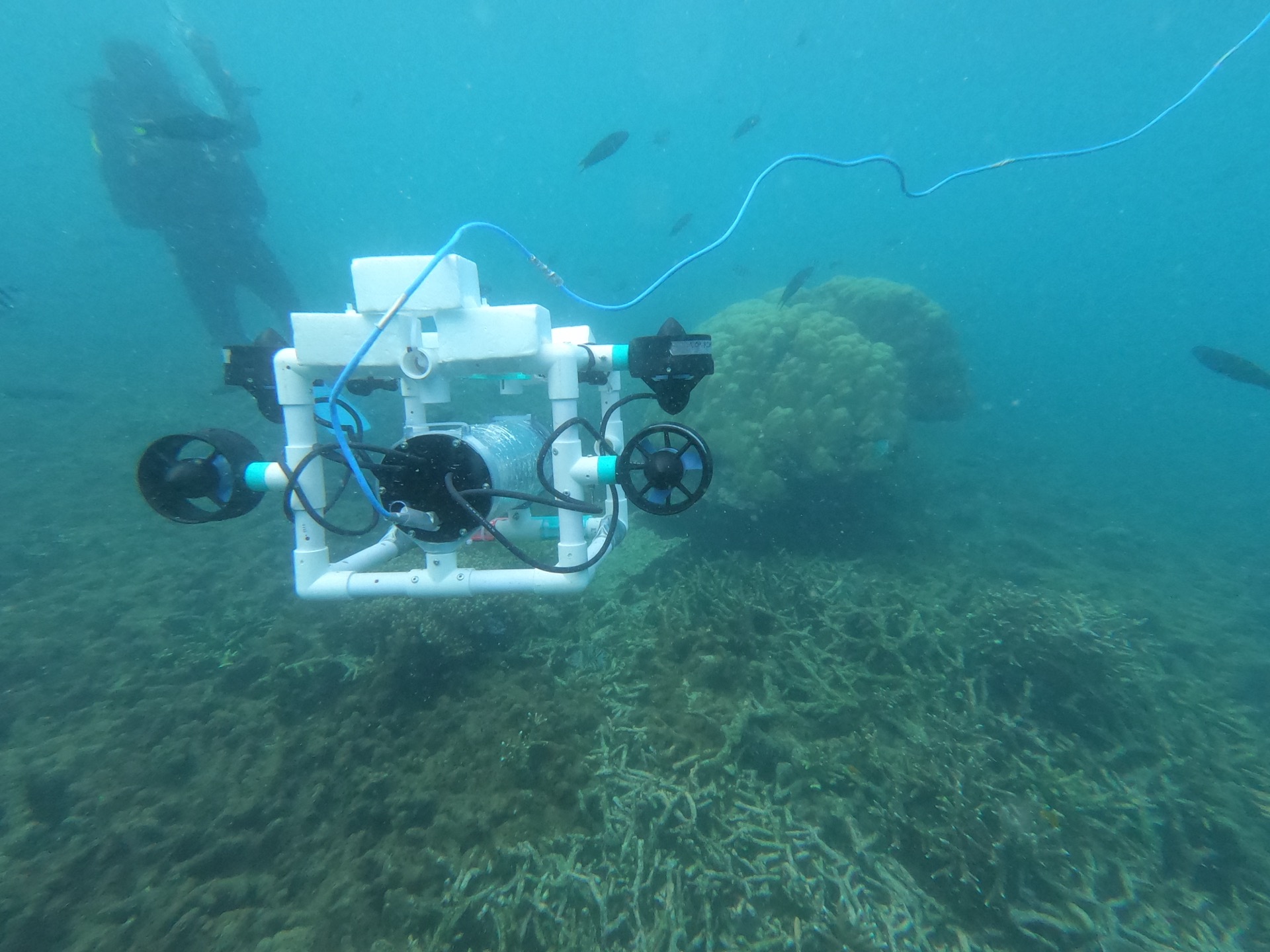
Tioman staging
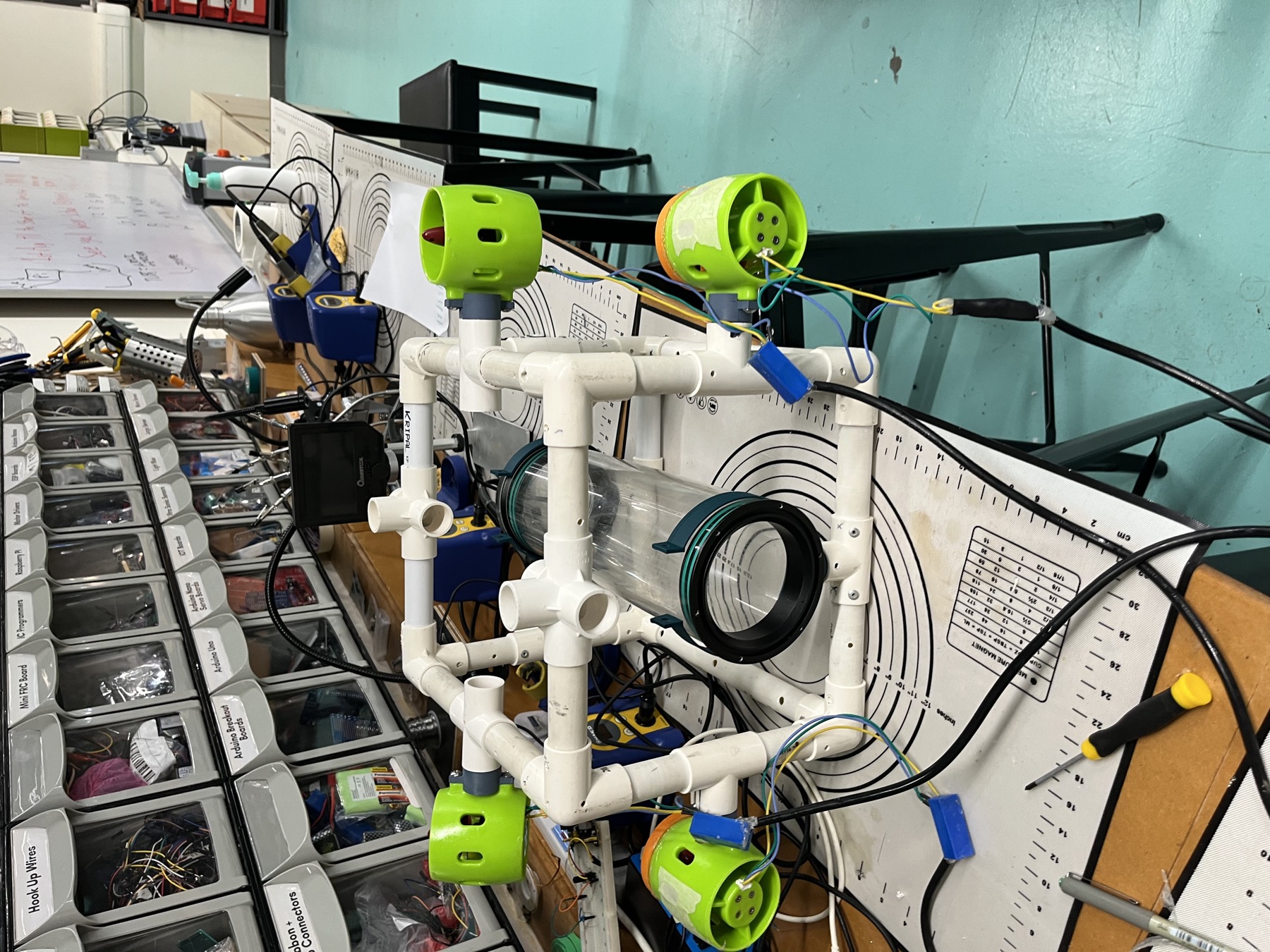
Bench build